Australia
 USA
USA
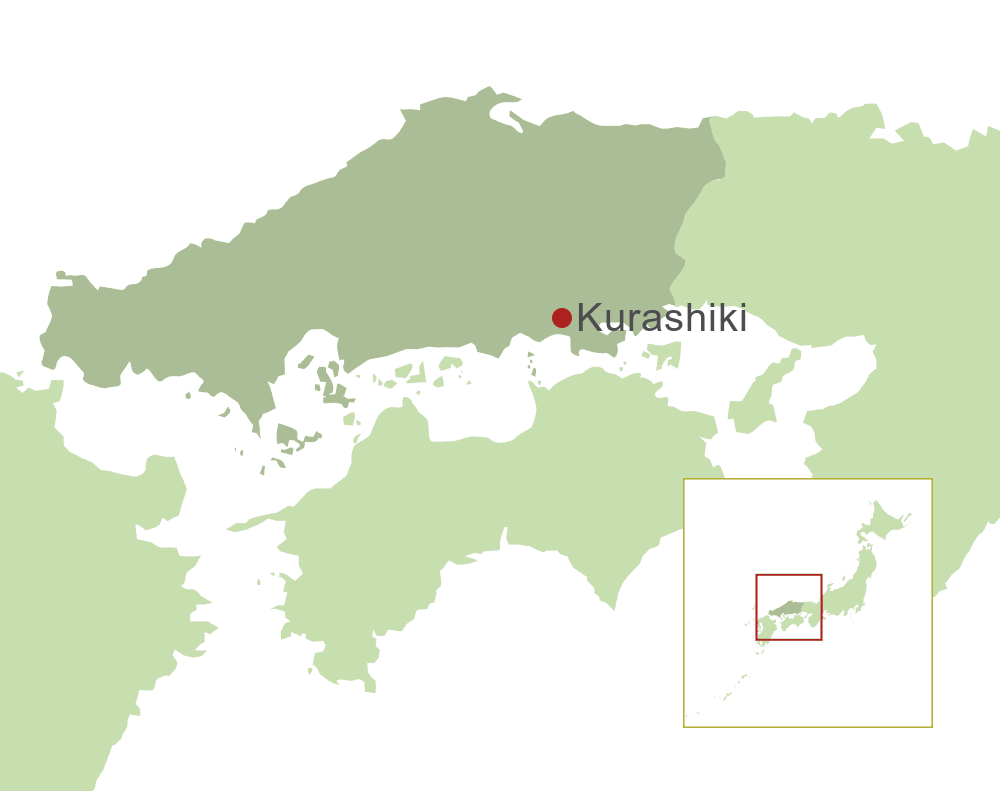
Kurashiki 
Kurashiki has perhaps the best preserved old town district to be found anywhere in Japan. Weeping willows line the picture-perfect canals with the old 'kura' warehouses on either side now housing art museums and charming coffee shops.
“The atmosphere of this small town casts you back into the Edo period as you stroll along the canal, lined with willow trees and the traditional storehouses that makes this area famous.”
James Mundy, PR Manager
Due to its strategic position, surrounded by thousands of fertile rice fields, Kurashiki was used for rice storage during the Edo period. By barge from Shikoku and Kyushu and overland from western Honshu, tons of rice moved through Kurashiki every year.
The city's name reflects its heritage - "Kura" means storehouses and "Shiki" is from the verb meaning to "spread out". Hundreds of kura were built for the rice, and today many of them still remain in pristine condition.
Many of these distinctive black-tiled warehouse buildings have been converted into museums, galleries, boutiques and cafes.
Along the canals that carried all that rice through this picturesque town, one can now find galleries such as the Ohara Art Museum, Japan's first Western Art museum containing masterpieces by Monet, Matisse and Renoir, as well as Asian and contemporary art.
For more information email us: [email protected] or call: + 44 117 244 3380
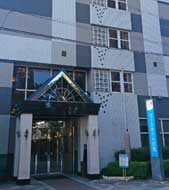
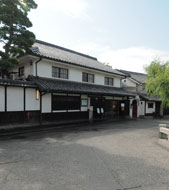
Recommended Accommodation in Kurashiki
The following are our favourites from among the western-style hotels and Japanese-style inns of Kurashiki.
Experiences in Kurashiki
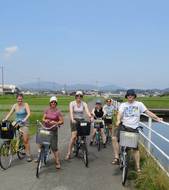
Kurashiki offers a wealth of exciting experiences that will help you get beneath the surface of Japan's fascinating culture. See below for a few of our favourites
Weather in Kurashiki
The Climate Guide for Kurashiki, Japan is perfect for planning your holiday. Monthly weather averages give the best indication of what the weather is usually like for every month of the year including figures for temperature, rainfall and sunshine.
| Jan | Feb | Mar | Apr | May | Jun | Jul | Aug | Sep | Oct | Nov | Dec | |
|---|---|---|---|---|---|---|---|---|---|---|---|---|
| Max Daytime Temperature (°C) | 7 | 8 | 11 | 18 | 22 | 26 | 30 | 31 | 26 | 21 | 15 | 10 |
| Min Night-time Temperature (°C) | -1 | -1 | 1 | 7 | 12 | 17 | 21 | 22 | 18 | 11 | 6 | 1 |
| Hours of Sunshine (Daily) | 4 | 5 | 5 | 6 | 7 | 5 | 6 | 7 | 5 | 5 | 5 | 4 |
| Hours of Daylight (Daily) | 10 | 11 | 12 | 13 | 14 | 14 | 14 | 13 | 12 | 11 | 10 | 10 |
| Heat and Humidity Discomfort | None | None | None | None | None | Low | High | High | Low | None | None | None |
| Days with some Rainfall | 20 | 19 | 19 | 15 | 15 | 17 | 18 | 14 | 17 | 14 | 14 | 17 |
| Monthly Rainfall (mm) | 36 | 55 | 92 | 109 | 138 | 216 | 199 | 107 | 194 | 87 | 51 | 24 |
| UV Index (Maximum) | 3 | 4 | 6 | 8 | 9 | 10 | 11 | 10 | 8 | 6 | 3 | 2 |
For more information email us: [email protected] or call: + 44 117 244 3380
For more information email us: [email protected] or call: + 44 117 244 3380
For more information email us: [email protected] or call: + 44 117 244 3380
Featured trips including Kurashiki
-

Small Group Tour
Japan Unmasked (IJT Essential)
- Tokyo
- Nagano
- Matsumoto
- Takayama
- Kanazawa
- Hiroshima
- Kurashiki
- Kyoto
- Tokyo
A fast-paced tour packing in a great variety of destinations, with minimum inclusions allowing for maximum flexibility.
13 nights: US$4303 Read more >

 Inside Japan UK office
 Inside Japan US office
 Inside Japan Australia office
 Inside Japan - Japan office